Designing Your Coastal Quest

Build an outing that feels delightfully spontaneous yet quietly well‑planned. From choosing a dune system with gentle gradients and clear paths to tailoring clue types for varied attention spans, a little forethought lets children lead, adults relax, and everyone stay present. The best quests balance discovery, rest, and giggles, leaving room for wind, tides, and unexpected wonders to weave their magic naturally.

Safety, Tides, and Gentle Footprints

A carefree day begins with paying attention to changeable coastlines. Tides reshape choices, winds shift sand, and roped enclosures protect precious nests. By reading forecasts, agreeing meeting points, and celebrating leave‑no‑trace habits, families move confidently while preserving fragile dune systems. Safety becomes playful when framed as teamwork, observation, and kind leadership, transforming practical checks into empowering rituals everyone proudly remembers and repeats later.

Reading the Tide and Weather Like a Local

Check tide tables the night before and morning of departure, aiming for generous beach space and comfortable return windows. Consult Met Office forecasts and RNLI guidance, then pack windproof layers even on sunny days. Explain spring tides and sudden squalls in simple language, turning science into story. When children help spot darkening clouds or rising waterlines, vigilance becomes a shared, confidence‑building superpower across the whole group.
Protecting Dunes, Birds, and Rare Toads

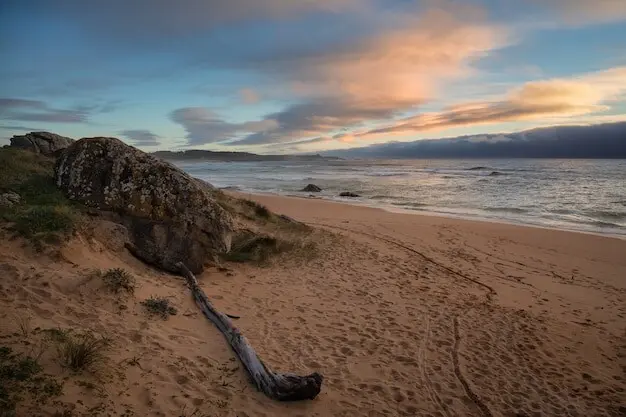
Stick to marked paths and boardwalks where available, avoiding fragile slipfaces and fenced roosting zones. In summer, look for roped sections sheltering little terns; in certain areas, shallow pools support natterjack toads. Turn boundaries into playful map features rather than obstacles. Replace any collecting tasks with identification, sketching, or respectful distance photos, celebrating every responsible choice. The reward is thriving wildlife and richer stories for returning explorers.
Clear Roles, Calm Minds

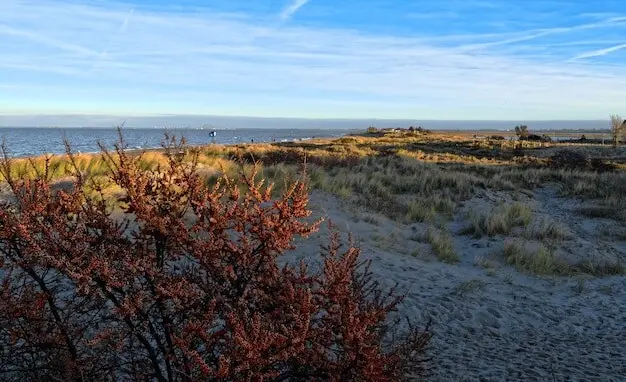
Assign a cheerful lead navigator, a back‑marker checking the group, and a timekeeper who watches rest stops and snack breaks. Establish a meeting point near a recognizable landmark like a lifeboat station board or car park sign. Carry a whistle, basic first‑aid kit, and charged phone. When roles rotate, children practice leadership and care, discovering that shared responsibility deepens fun while keeping everyone relaxed and wonderfully present.

Challenges for Every Age and Energy

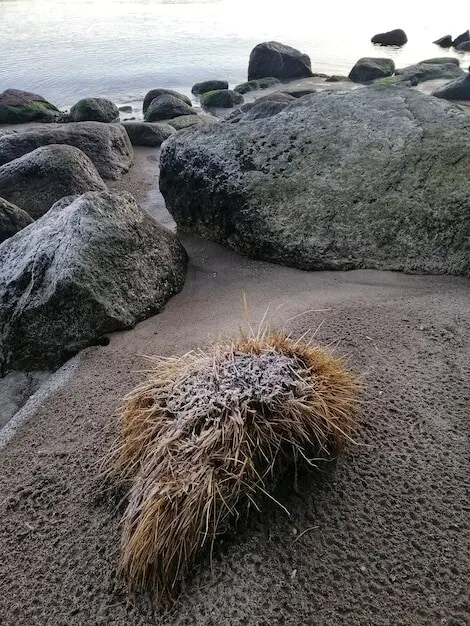
Design varied prompts so little legs, eager readers, and puzzle‑loving teens all feel seen. Short sensory missions, playful counting, and picture clues keep newcomers engaged, while layered puzzles, bearings, and creative photography stretch older minds. Flexibility matters: scale difficulty, offer optional bonuses, and celebrate teamwork over speed. The aim is laughter, confidence, and stories that make even the quietest participant feel brave and brilliantly capable together.

Grey Seals at Horsey Gap

Use a riddle about a whiskered swimmer that naps ashore yet dances through silver water. From viewing dunes, count distant shapes safely, then decode a fact about winter pupping season and why space matters. Swap any approach mission for a binocular sketch task. End with a gratitude note to wardens and volunteers, helping children understand protection is love in action, not merely a posted instruction politely ignored.

Terns, Wrecks, and Whispering Reeds

Write a clue about a tiny acrobat that hovers and dives—little terns nesting on shingle in warmer months behind protective ropes. Craft another referencing a wreck that shows at low tides off Brancaster, admired only from afar due to dangerous currents. Finally, guide ears to reedbeds’ hush, asking players to match sounds with drawn icons. Knowledge, wonder, and caution blend into a beautifully responsible coastal learning game.

Smugglers, Lights, and Lifeboats

Spin a puzzle around red‑and‑white stripes of Happisburgh Lighthouse, then honor lifeboat crews with a clue nodding to brave rescues along fierce winter seas. Weave a playful whisper of smugglers counting steps between dune shadows, turning history into harmless make‑believe. Encourage children to imagine coded signals using safe hand gestures, then reflect on real signals that save lives today, reinforcing respect for coastlines and those protecting them.

Inclusive, Accessible, and Joyfully Flexible

Sensory Hunts Everyone Can Enjoy

Create bingo cards for textures, temperatures, and sounds: cool shade, warm sun, grainy sand, smooth shell, distant gull, soft breeze. Invite safe hand‑feel of marram only where allowed, then switch to visual or audio alternatives. Encourage matching colors rather than collecting items, and celebrate moments of stillness as valid wins. When choice and sensory variety lead, inclusion feels natural, playful, and beautifully empowering for every participant.

Low‑Mobility Routes and Resting Rhythms

Choose wide paths, firm boardwalks, and car parks near accessible toilets, as around Holkham and Wells. Map short loops with scenic turnarounds, adding benches or sheltered pauses as intentional milestones. Offer rotating “rest captains” to protect pacing, normalize breaks, and celebrate energy awareness as skill. Pair any distant photo clue with a nearby alternative, ensuring no one feels left behind while curiosity remains shared and shining.

Communication, Comfort, and Calm

Use visual schedules, simple icons, and color‑coded cards to signal needs quietly. Encourage headphones for wind noise, bring spare gloves, and pack warm layers even in sunshine. Set a gentle safe‑word that pauses play. Provide two‑choice prompts instead of open‑ended instructions when overwhelm rises. Celebrate small signals of readiness with cheers and stickers. Comfort accelerates confidence, turning thoughtful accommodations into the day’s most powerful, heart‑expanding superpower for all.

Capture the Magic and Keep It Going

Close with rituals that frame effort as triumph. Score gently for teamwork, curiosity, kindness, and safety, not speed. Swap plastic prizes for shared picnics, sketchbooks, and printed photos. Invite reflections about tides, wildlife, and feelings. Encourage families to share clue ideas, subscribe for fresh routes, and keep exploring respectfully. Memories grow taller when celebrated together and returned to often, like friendly footpaths through bright, singing dunes.

Simple Scoring That Rewards Curiosity

Award points for clear listening, helpfulness, careful route choices, and creative thinking. Hand out small bonuses for learning a new coastal fact or identifying a plant respectfully. Let older children nominate kindness awards. Keep totals transparent and playful, then convert them into privileges like choosing the final viewpoint or reading the day’s last riddle. Everyone finishes feeling noticed, valued, and excited to try again soon.

Storytime, Snacks, and Celebrations

Gather in a sheltered spot, unpack fruit, sandwiches, and warm flasks, then pass around sketchbooks or phones for a show‑and‑tell. Invite each person to share one wow‑moment and one new fact. Start a gratitude round—weather, wildlife, teammates. Paste printed photos later into a family adventure book. These little ceremonies transform sandy shoes and rosy cheeks into a narrative that improves with every joyful retelling together.
Xaritemiviro
Privacy Overview

This website uses cookies so that we can provide you with the best user experience possible. Cookie information is stored in your browser and performs functions such as recognising you when you return to our website and helping our team to understand which sections of the website you find most interesting and useful.