First Light, Last Glow along Norfolk’s Dunes
Timing Tides and Glow for Balanced Horizons
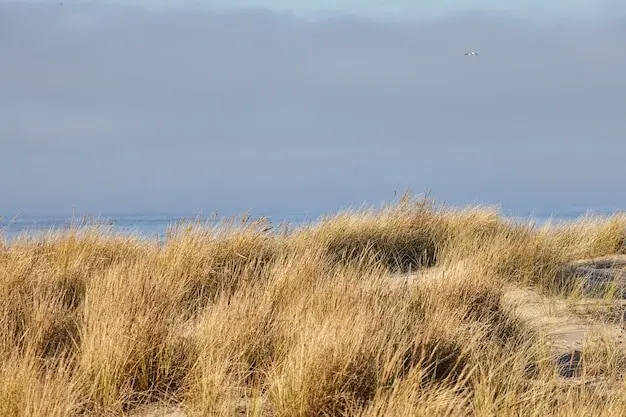
Use local tide tables alongside sunrise and sunset charts to predict reflective sands, exposed pools, and safe crossings. A receding tide at first light often reveals mirror-like flats, while a rising tide at dusk can concentrate color near the shore. Build buffer time for detours and unexpected sparkles.
Where the Grasses Breathe: Vantage Points on Rolling Ridges
Climb only where paths already exist, then settle below the crest to avoid silhouettes of your own tripod against the sky. Let wind-tossed marram frame the scene, revealing scale and movement. Low angles emphasize ripples; higher steps open sweeping lines to estuaries, lighthouses, and distant sails glowing quietly.
Dynamic Range without Drama: Filters, Bracketing, and Restraint
Golden edges and deep dune shadows can exceed sensor range. Carry a soft graduated neutral-density filter, bracket modestly, and favor subtle blends that respect natural contrast. Keep glare tamed with a clean polarizer, but watch for uneven skies. Above all, prioritize patience over heavy processing; wait, breathe, and simplify.
Moving Gently through Fragile Landscapes
Paths that Protect: Boardwalks, Desire Lines, and Soft Steps
Boardwalks and firm desire lines concentrate pressure where vegetation already copes, preserving the delicate root networks that fix the sand. When surfaces loosen, shorten your stride, lift rather than drag the tripod, and pause to assess the least intrusive approach. The lighter your touch, the richer the stories captured.
Wildlife Windows between First Light and Afterglow
Ground-nesting birds, wintering geese, and visiting grey seals deserve space, quiet, and uninterrupted feeding or parenting. Research seasonal exclusions and bring a longer lens rather than edging closer. If behavior changes, step back immediately. Your respect keeps the moment authentic and helps ensure next year’s dawn songs return with confidence.
A Minimal Kit that Leaves Nothing Behind
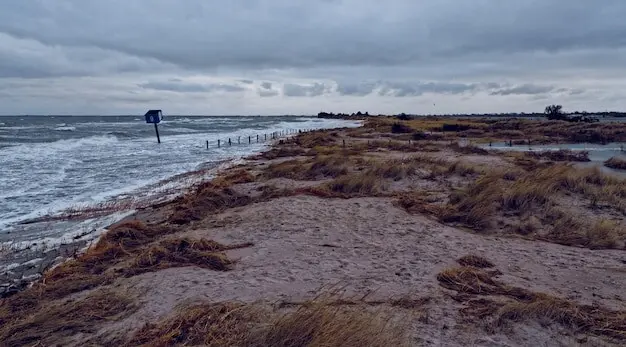
Pack a sealable pouch for filters, a microfibre cloth on a cord, and reusable waste bags. Choose refillable bottles and a compact headlamp with a warm beam for less glare. Mark your parking and waypoints offline to avoid new tracks. Depart with pockets lighter than when you arrived, always.
Wind, Weather, and the North Sea’s Mercurial Moods
Reading Marram, Sand Drift, and Telling Textures
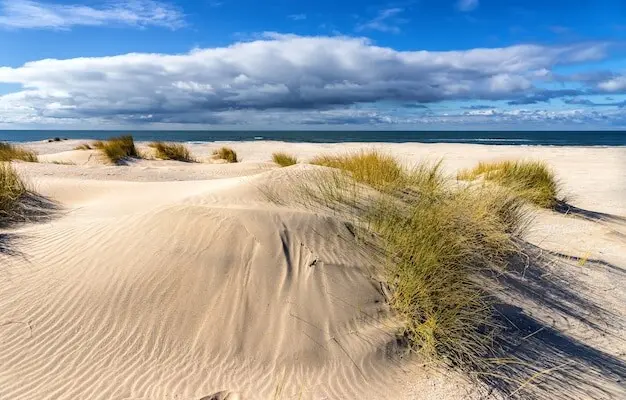
Before you feel the gust, you often see it. Marram leans, scours darken, and spindrift lifts along the crest, signaling sharper exposures and steadier stances. Shelter your tripod behind a dune shoulder, use your body as a windbreak, and wait for lulls that bring crystal clarity to details.
Haar, Mist, and Beautifully Diffused Dawns
Before you feel the gust, you often see it. Marram leans, scours darken, and spindrift lifts along the crest, signaling sharper exposures and steadier stances. Shelter your tripod behind a dune shoulder, use your body as a windbreak, and wait for lulls that bring crystal clarity to details.
When Beauty Turns Wild: Safe Exits and Smart Choices
Before you feel the gust, you often see it. Marram leans, scours darken, and spindrift lifts along the crest, signaling sharper exposures and steadier stances. Shelter your tripod behind a dune shoulder, use your body as a windbreak, and wait for lulls that bring crystal clarity to details.
Compositions that Sing at Golden and Blue Hours
Foreground Anchors: Posts, Fences, Footprints, and Ripples
Foreground choices decide depth. Try kneeling so footprints stretch like sentences toward color, or angle a weathered post to counter a sweeping cloud. Keep distractions simple and intentional. If something steals attention without purpose, move. The dune will rewrite possibilities with every wind-breath and the next subtle sunburst.
People as Poetry: Silhouettes, Scale, and Connection
A single figure climbing a ridge at daybreak can turn a wide seascape into a story of hope and perspective. Ask companions to pause naturally rather than pose. Space them against clear sky, then wait for gestures between steps. Humanity measures immensity, lending warmth without overpowering the coastline’s voice.

Holkham to Wells-Next-The-Sea: Dawn Ridges and Quay Glow
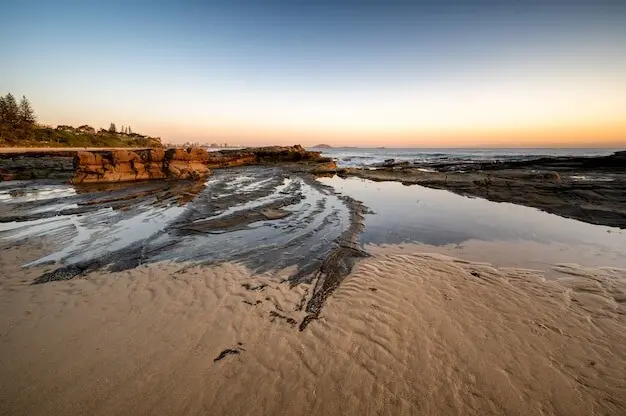
Start pre-dawn from Lady Anne’s Drive, following waymarked paths through pines to open dunes above vast sands. Photograph first light over tidal flats, then loop toward Wells for boats and reflections at blue hour. Mind nesting birds near roped areas, and leave time to retrace along safer, firmer routes.
Winterton and Horsey: Sunset over Marram, Seals, and Big Skies
Choose established dunes north of Winterton, watching for signed wildlife protections around Horsey’s colonies in season. As the sun lowers, frame grass combs against fiery water, then linger for pastel afterglow over quiet pools. Keep generous distances from any seals, shifting if they raise heads, shuffle, or change direction.
Holme Dunes to Thornham: Creeks, Shingle, and Peaceful Returns
Begin near the reserve, crossing boardwalks toward shimmering creeks that reflect first color. Later, trace the shingle bank for textural foregrounds as boats settle on mud at low tide. Blue hour brings lanterns at the quay. Carry a headlamp and navigate back along known, safer paths between markers.
Lean Gear and a Sand-Smart Workflow
All Rights Reserved.