Reading the Tide and Weather Like a Local
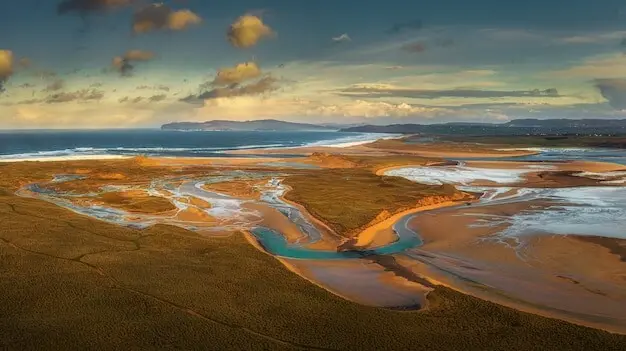
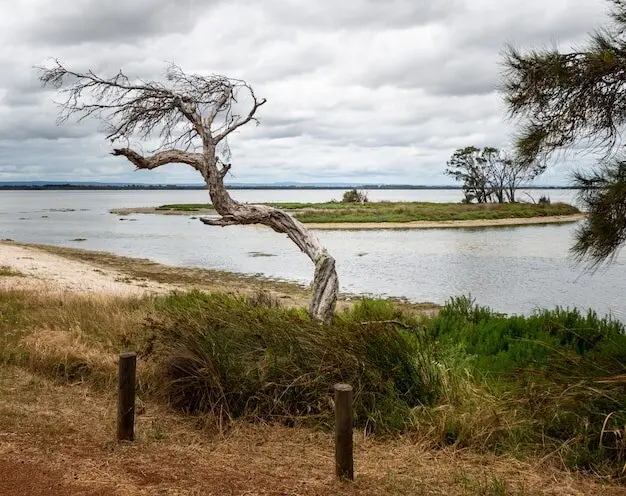
Check tide tables the night before and morning of departure, aiming for generous beach space and comfortable return windows. Consult Met Office forecasts and RNLI guidance, then pack windproof layers even on sunny days. Explain spring tides and sudden squalls in simple language, turning science into story. When children help spot darkening clouds or rising waterlines, vigilance becomes a shared, confidence‑building superpower across the whole group.
Protecting Dunes, Birds, and Rare Toads
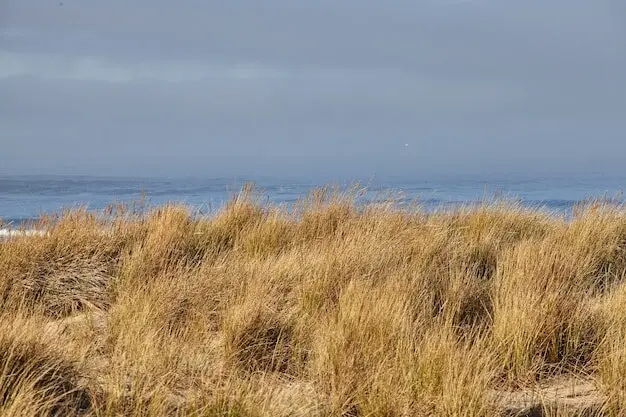
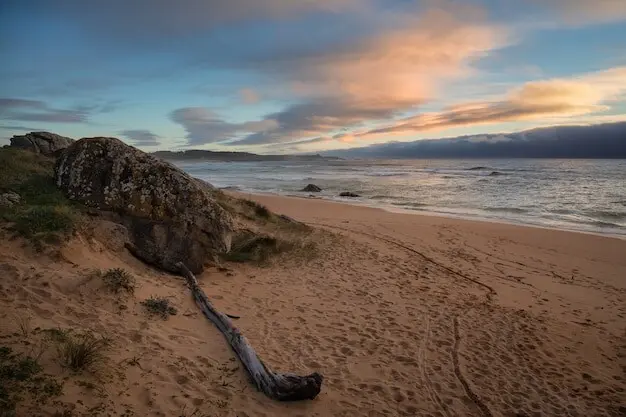
Stick to marked paths and boardwalks where available, avoiding fragile slipfaces and fenced roosting zones. In summer, look for roped sections sheltering little terns; in certain areas, shallow pools support natterjack toads. Turn boundaries into playful map features rather than obstacles. Replace any collecting tasks with identification, sketching, or respectful distance photos, celebrating every responsible choice. The reward is thriving wildlife and richer stories for returning explorers.
Clear Roles, Calm Minds
Assign a cheerful lead navigator, a back‑marker checking the group, and a timekeeper who watches rest stops and snack breaks. Establish a meeting point near a recognizable landmark like a lifeboat station board or car park sign. Carry a whistle, basic first‑aid kit, and charged phone. When roles rotate, children practice leadership and care, discovering that shared responsibility deepens fun while keeping everyone relaxed and wonderfully present.