
Marram, the Wind's Partner

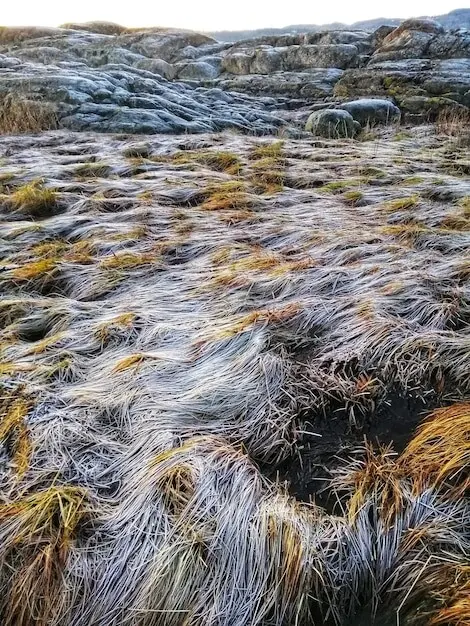
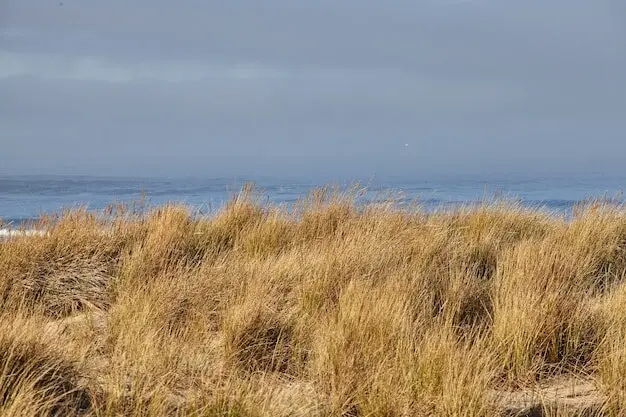
Marram grass thrives where most plants surrender, knitting dunes together with roots that dive deep and rhizomes that stitch shifting sand. Volunteers learn to space clusters so wind drops its burden, then gently firm the sand for moisture and stability. Planting in cool seasons boosts survival, and small, repeated efforts across paths and blowouts add up dramatically. When the breeze rises and newly set stems flex like green metronomes, you feel the thrilling moment where human care meets natural engineering, and fragile edges begin to hold again.

Shifting Ridges, Living Landscape

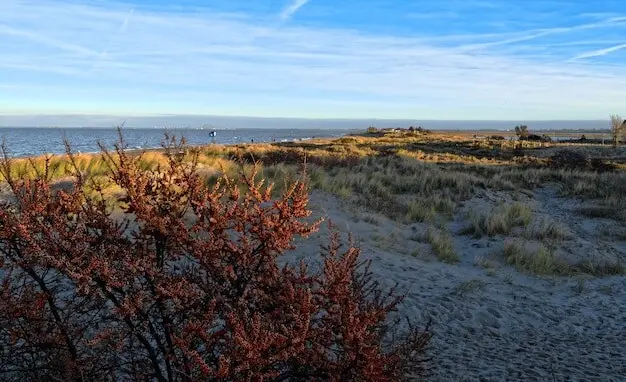
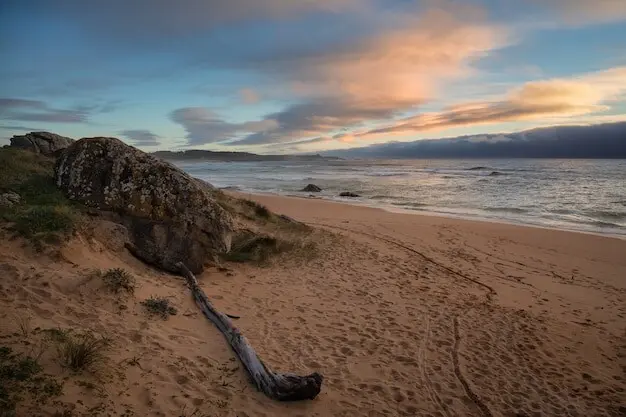
Dunes are meant to move, and good stewardship welcomes that dance while steering destructive shortcuts away from vulnerable slopes. Brushwood bunds and sand fences tame wind speed just enough to stack grains, while clear paths invite walkers to wander without chiseling new scars. You’ll see how a single blocked shortcut can prevent a blowout from ballooning, and how patient, strategic placement of barriers builds height and shelter over months. Embracing movement, rather than freezing it, keeps the coastline both wild and wonderfully protective.

Getting There, Lightly

Pair adventure with responsibility by choosing lower-carbon travel. Trains to Norwich connect with coastal lines and reliable buses that link seaside villages. Consider cycling quiet lanes between tasks, or car-share with fellow volunteers to cut costs and congestion. Check tide tables, wind forecasts, and any access advisories before you set off, then build generous time buffers. Arriving unhurried means you start safer, smile more, and are ready to help the moment boots meet sand, rather than racing the clock or the surf.

Sleep, Eat, Thrive

Rest fuels restoration. Budget-friendly hostels, family-run guesthouses, and coastal campsites offer warm showers, early breakfasts, and a place to shake sand from pockets. Shop local for hearty bread, fruit, and energy-rich snacks you can share at breaks. Refill bottles at cafes that welcome volunteers, and bring a stove if you’re camping for dawn porridge with gulls for company. Simple, nourishing meals keep hands steady and minds kind, turning tasks into shared rituals rather than heroic slogs.

Planting Sessions with Purpose

Teams space small clumps of marram at measured intervals, using spades or dibbers, then heel in firmly so roots meet moisture while blades stay upright to catch wind-blown grains. Photos before and after reveal subtle transformations that feel astonishingly satisfying. You’ll rotate roles, share tips, and cheer successes, learning to read sand texture, slope, and wind direction like a language. Good planting feels calm, methodical, and companionable, more like tending community than conquering nature.

Fencing that Teaches the Wind to Slow

Sand fences, brushwood bunds, and simple stake-and-rope lines invite the breeze to drop its cargo gently. You’ll align barriers across prevailing winds, drive stakes firmly, and weave brushwood so gaps are small but breathable. Each hour, you’ll notice miniature drifts gathering like new pages in a book. Clear signage and friendly smiles help walkers choose sturdy paths. It’s not about policing; it’s about making the kind choice the easy, beautiful, clearly marked one.

Clean Beaches, Clear Data

Microplastics, ghost netting, and bottle tops hide in tidelines and dune toes, threatening wildlife and fraying our relationship with place. With simple tally sheets or an app, you’ll log categories and counts that feed national databases, turning trash into evidence that guides policy. Pair numbers with brief reflections and photos, then share highlights respectfully online. Data plus story invites neighbors to join, sponsors to fund tools, and decision-makers to act faster than the next storm.

Hands in the Sand: Practical Restoration Tasks

Under ranger guidance, you’ll do work that’s humble yet mighty: planting marram where wind scrapes too aggressively, knotting rope lines that invite kind footsteps, or laying brushwood to hush gusts so sand can settle. Some days emphasize careful litter surveys; other mornings might focus on removing invasive scrub where it threatens open dune habitat. You’ll learn tool safety, pacing, and small efficiencies that make hours flow. Each action is a stitch in a wider tapestry of protection the coastline quietly, gratefully wears.

Science You Can Do: Monitoring That Matters

Your observations become powerful when repeated and shared. Citizen scientists track dune shapes with fixed-point photos, survey plants within simple quadrats, and watch for nesting behaviors from safe distances. Wardens help interpret patterns and confirm identifications, while apps simplify recording and safeguard sensitive locations. Accuracy beats ambition; a few consistent data points over months tell a richer tale than frantic one-off efforts. By learning protocols and respecting wildlife privacy, you’ll build evidence that justifies funding, focuses effort, and celebrates what’s healing.

Transects, Photos, and the Power of Repetition

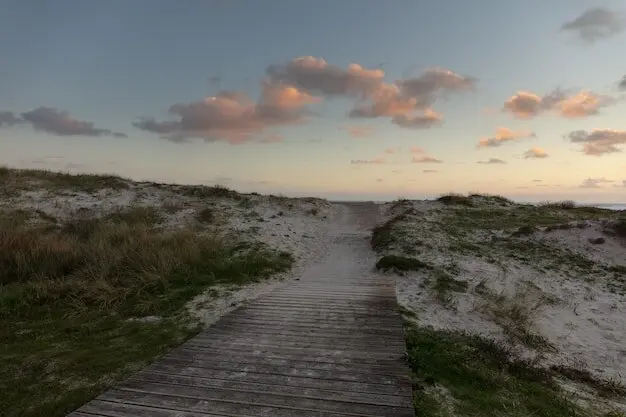
Choose a viewpoint, note a GPS coordinate, and frame landmarks consistently so photos comparably capture seasonal change. Record date, wind, and tide height, then upload to a shared folder where time stitches images into narrative. With patience, you’ll witness fences birthing new ridges and planted clusters thickening. It’s a quiet art: disciplined, curious, hopeful. The gift is perspective, seeing beyond today’s footprints toward tomorrow’s shade and shelter.
Eyes on the Wing

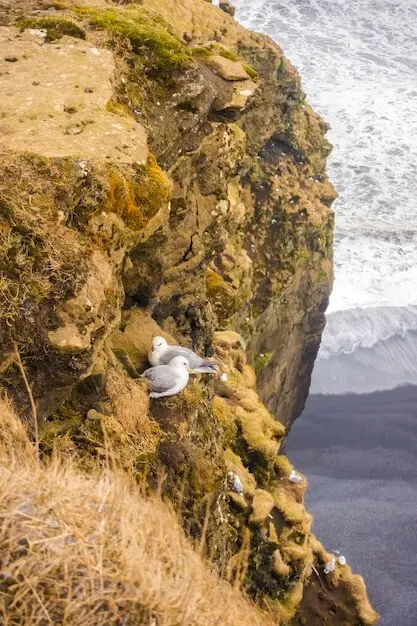
During breeding months, timed watches document little terns, plovers, and fledgling activity without intruding. You’ll learn to scan methodically, log distances, and pause whenever behavior suggests stress. Binoculars and calm posture are your best tools. Data on nesting attempts and success informs where to strengthen cordons or adjust visitor routes. The thrill is real: a chick darting between shells, a parent delivering a glinting fish, and your pencil quietly recording hope made visible.
Everyday Tech for Field Notes

iRecord, iNaturalist, and eBird help capture sightings, while waterproof notebooks hold sketches, transect diagrams, and quick weather notes. Download offline maps, pack a battery bank, and switch phones to airplane mode during surveys to reduce distraction. Respect location sensitivity by obscuring exact coordinates for vulnerable species. Back at home, verify identifications with communities of enthusiasts, then celebrate your contributions as part of a growing, transparent, actionable knowledge commons supporting thoughtful coastal care.
Respect the Coast: Safety, Seasonality, and Care

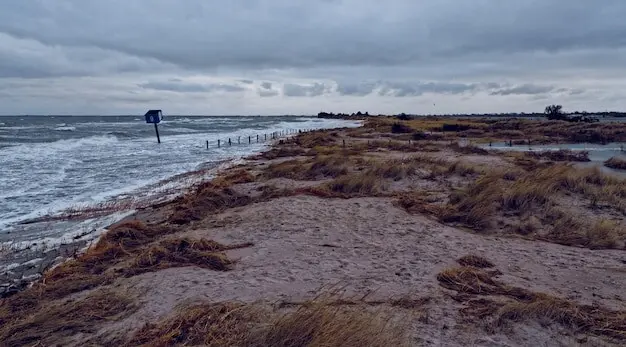
Scan forecasts from reliable sources, note spring tides, and map pinch points where dunes, marsh, and sea squeeze tight. Establish turnaround times and stick to them, especially with strong onshore winds or fading light. Layer up, keep hands warm, and stash spare gloves for teammates. If conditions shift, downgrade tasks without guilt; resilience includes flexibility. The coast rewards humility, and wise choices today mean many safe returns tomorrow.
Life hides in plain sight here. Keep dogs on leads, let roped areas breathe, and step on firm, wet sand rather than fragile slopes whenever possible. Speak softly, avoid crowding viewpoints, and move away at the first hint of alarm calls. Ask wardens before posting exact locations of nests or rare plants. When your joy aligns with protection, you’ll notice more, disturb less, and pass along a coastline still buzzing with wings and wildflowers.
Learn safe spacing with spades, how to lift stakes without twisting, and when to switch hands before fatigue fogs judgment. Share first-aid basics, keep emergency numbers handy, and agree meeting points at the start. Rotate roles so everyone rests and learns. Celebrate tea breaks as essential safety pauses, not indulgences. When teams check on each other, work stays light, laughter travels down the line, and the day closes with gratitude instead of strains.

From One Weekend to a Movement

Join Local Guardians

Connect with Norfolk Wildlife Trust, National Trust teams, the Norfolk Coast Partnership, and the Marine Conservation Society. Sign up for newsletters, add your name to weekend rosters, and explore winter scrub days or summer shorebird watches. Step into small leaderships, like greeting newcomers or prepping tools, then grow at your pace. Organizations remember reliable hands, and you’ll gain references, confidence, and friendships as enduring as the fences you’ve anchored against the wind.

Grow Skills, Share Knowledge

Level up through short courses in coastal ecology, first aid, and outdoor safeguarding. Practice friendly, inclusive briefings and learn to answer curious questions from passersby with warmth and clarity. Write a reflective field note after each trip, capturing what worked and what changed. Host a casual lunch-and-learn for colleagues, demonstrate planting spacing with string, and turn know-how into contagious, approachable confidence. Teaching cements learning and multiplies hands right where they’re needed.

Tell Your Story, Spark Another

Share respectful photos that highlight teamwork and landscape over sensitive nests, then explain in captions why dunes matter for storms, wildlife, and community wellbeing. Quantify wins—tufts planted, stakes set, bags collected—and invite readers to comment with dates they can join. Ask questions, answer generously, and point to sign-up links. When your gratitude rings clear, it disarms hesitation, and a new volunteer appears, ready to lace boots and add their rhythm to the coast’s ongoing, hopeful work.
Xaritemiviro
Privacy Overview

This website uses cookies so that we can provide you with the best user experience possible. Cookie information is stored in your browser and performs functions such as recognising you when you return to our website and helping our team to understand which sections of the website you find most interesting and useful.