Reading Succession: From Strandline to Grey Dune
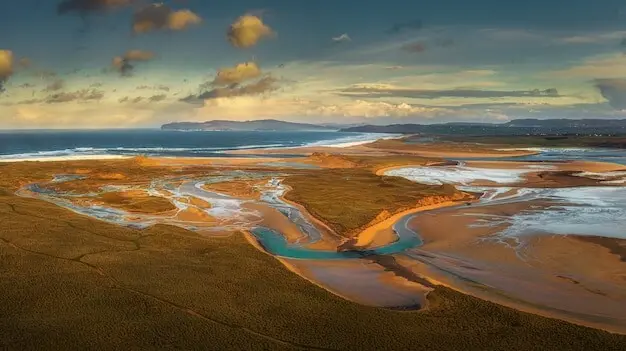
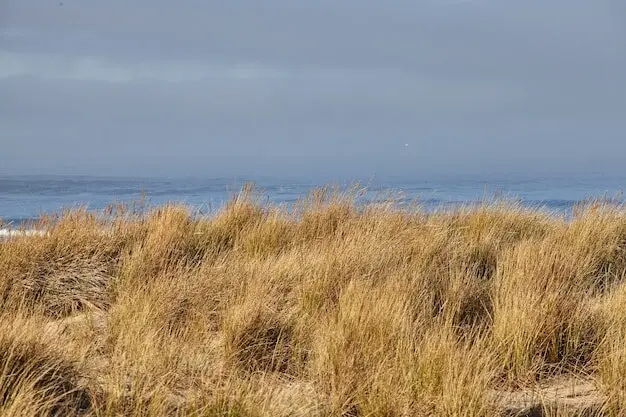
Norfolk’s dunes are not static hills; they are living pages turning with wind, salt, and time. As you walk, you can trace a story beginning at the seaweed-speckled strandline, climbing newborn ridges, crossing sheltered hollows, and arriving at older, quieter dunes softened by lichen crusts. Each step inland usually means less salt, more soil, and slower change. Notice how plant communities shift predictably, how animal tracks braid that pattern, and how storm years can rewrite whole paragraphs overnight.

Plants That Hold the Line: Flora as Engineers

Saltation and Surface Creep: A Hushed Avalanche

Watch gusts lift sand grains briefly, arcing them downwind in hops that tap and dislodge neighbors, nudging heavier particles along the surface. This chain reaction, called saltation, organizes ripples and builds dune toes grain by grain. Moisture, vegetation roughness, and sheltering topography modulate thresholds for movement. Stooping close on a breezy day, you can hear faint rustles as sand migrates. Such tiny avalanches, multiplied across hours, shape headlands. Noticing when grains start to dance offers early clues to rising wind energy offshore.

Longshore Drift and Spit Stories at Blakeney

Walk near Blakeney and you’ll see how angled waves push sediments along the coast, bending land into elegant spits and shingle banks. Over decades, channels shift, dunes hopscotch, and saltmarshes shelter behind. Boat trips reveal tidal choreography; footpaths unveil cross-sections where sand rests atop older gravels. Interpret signboards thoughtfully, but also sketch what you see. Your drawings and photos capture changing positions of bars that official maps might miss. Longshore drift is a patient sculptor; attentive walkers become its most faithful documentarians.

Storm Surges and Overwash Fans: Sudden Rewrites

Sometimes the shoreline edits in bold. Storm surges overtop ridges, flatten vegetation, and launch overwash fans that spread sand into slacks. Listen to local stories about the North Sea surges, compare fence posts before and after seasons, and notice debris lines that mark extraordinary tides. Recovery begins quickly if root networks persist, but pathways may shift for safety. Recording storm effects through repeat photography builds a living timeline. Months later, watch colonizers return, proving that dynamism, not damage alone, defines a healthy dune system.

Routes to Wander: Norfolk Walks You Can Lead Yourself
Holkham to Wells: Reading New Growth on Wide Sands

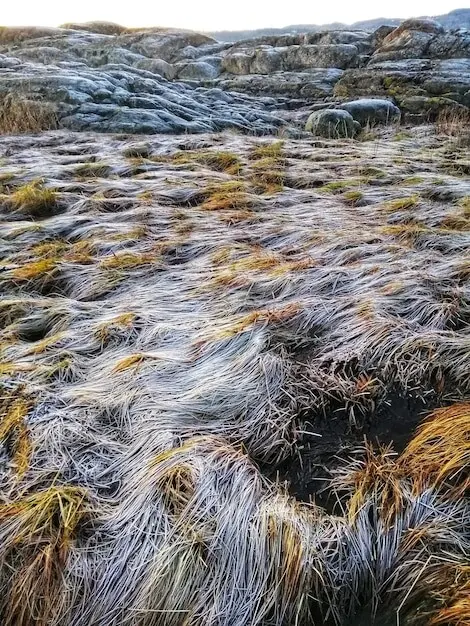
Begin at Holkham Gap and walk toward Wells-next-the-Sea along a beach that feels like an airstrip for clouds. On breezy days, watch embryo dunes spark to life against posts or seaweed clumps. Step inland to meet pines shielding grey dunes, then dip into slacks where sedges whisper. Facilities are friendly, wildlife signage clear, and escape routes numerous. Sketch marram patterns, count ripple wavelengths, and time your return with a rising tide in mind. Finish with notes while gulls argue over tide-washed shells.

Winterton–Horsey: Ridges, Slacks, and Seal Horizons

Begin at Holkham Gap and walk toward Wells-next-the-Sea along a beach that feels like an airstrip for clouds. On breezy days, watch embryo dunes spark to life against posts or seaweed clumps. Step inland to meet pines shielding grey dunes, then dip into slacks where sedges whisper. Facilities are friendly, wildlife signage clear, and escape routes numerous. Sketch marram patterns, count ripple wavelengths, and time your return with a rising tide in mind. Finish with notes while gulls argue over tide-washed shells.

Blakeney Point: Where Tides and Sand Debate Daily

Begin at Holkham Gap and walk toward Wells-next-the-Sea along a beach that feels like an airstrip for clouds. On breezy days, watch embryo dunes spark to life against posts or seaweed clumps. Step inland to meet pines shielding grey dunes, then dip into slacks where sedges whisper. Facilities are friendly, wildlife signage clear, and escape routes numerous. Sketch marram patterns, count ripple wavelengths, and time your return with a rising tide in mind. Finish with notes while gulls argue over tide-washed shells.

Wildlife Encounters and Gentle Etiquette

Dunes are shared homes. Ground-nesting birds, basking lizards, and hunting beetles use the same paths as curious walkers. Good etiquette protects both experiences and habitats. Keep dogs leashed near roped zones, give space to resting seals, and step around vegetated hummocks. Binoculars beat close approaches; patience beats shortcuts across fragile crusts. Note where insect life buzzes warm patches, and where skylarks rise singing. Leave only prints on wet sand, and let them wash away. Your restraint becomes tomorrow’s wild chorus.

Safety and Navigation: Reading the Coastline’s Mood

The coast broadcasts signals. Swelling surf, racing clouds, and gulls riding gusts can warn of squalls. Learn to judge fetch and wind direction by ripple patterns and flags. Keep an eye on channels that cut off returns at high tide. Share your route, carry a whistle, and favor established paths on steep leeward faces. If sands feel unusually soft, probe ahead. Most mishaps vanish with patience, preparation, and humility. The dunes will be here tomorrow; your journal improves when you come back smiling.

Leave No Trace, Leave More Knowledge

Tread lightly where vegetation binds dunes. Resist collecting shells or driftwood; they are building blocks for future ridges. Photograph, don’t pick. Pack snacks in reusable containers and gather stray litter you meet along the way. Share field notes with local groups, convert observations into records, and teach companions why detours protect lichen crusts. When you leave a place better informed than you found it, you give back twice: habitats remain resilient, and future walkers inherit clearer paths of understanding to guide their own slow discoveries.

Simple Data, Big Impact: Your DIY Dune Log
Create a modest recording routine: date, tide, wind direction, notable plants, wildlife, and changes since last visit. Add sketches of dune profiles and positions of roped areas. Upload records to platforms like iRecord or local biodiversity networks. Even small, repeated notes reveal trends invisible in one-off surveys. Invite friends to adopt the same format so data aligns. Over months, your logs become a living chronicle of accretion, blowouts, and blooms, helping rangers, scientists, and fellow walkers make better, kinder decisions along Norfolk’s coast.
Xaritemiviro
Privacy Overview

This website uses cookies so that we can provide you with the best user experience possible. Cookie information is stored in your browser and performs functions such as recognising you when you return to our website and helping our team to understand which sections of the website you find most interesting and useful.