Seasons Among the Norfolk Dunes
Early Migrants and Morning Song
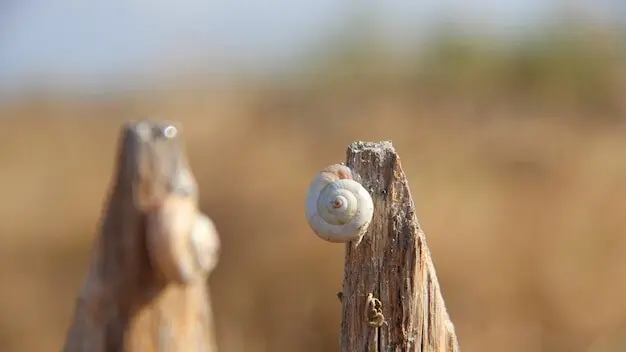
Arrive at first light when the breeze is softer and silhouettes are easier to catch against the rising sun. Listen for the tumbling phrases of skylarks and the crisp, chatty notes of stonechats. Scan fence posts for wheatears, those bright-eyed travelers pausing before pushing inland. Keep a respectful distance around shingle, where ringed plovers test the season with tentative nesting attempts.
Blooming Slacks and Quiet Footprints
Dune slacks, those shallow wind-hollows that hold winter rain, begin to shimmer with emergent sedges and early flowers. Their carpets host delicate life easily crushed by hurried boots. Follow boardwalks and established paths, allowing the micro-world to continue unharmed. Watch for damselflies warming on sheltered edges, and tiny beetles tracing glints of light, while your slower pace reveals stories you otherwise might pass by.
Tide Tables and Gentle Winds
Spring sightings often blossom when calm, clear mornings align with a receding tide, opening wet sand highways for waders and providing easy scanning conditions along the wrack. A light offshore breeze brings sound toward you, clarifying calls. Check forecasts, arrive unhurried, and let the conditions dictate your route. Serendipity loves the prepared observer, especially one who reads tide times with the same care as field notes.
High Summer: Life on the Edge of the Sea
Autumn Crossings and Restless Skies


Winter Quiet That Roars
Seals on the Sands
Owls, Buntings, and Cold Light
Storm Watching with Care
Fieldcraft, Care, and Close-Looking
Footsteps that Protect
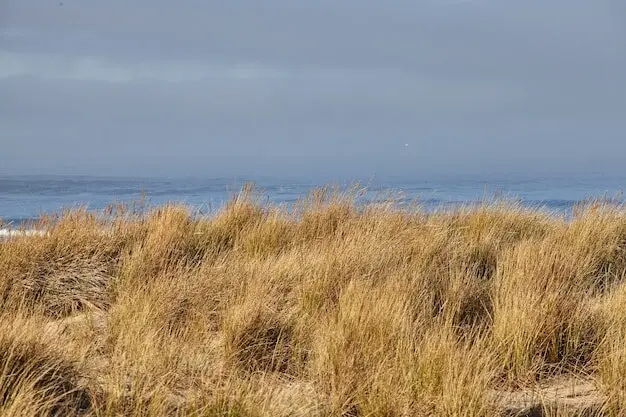
Marram grass stitches the dunes together, yet breaks easily under careless wandering. Keep to firm paths and wet sand where your prints soon wash clean. Pause before cresting ridges to avoid flushing birds on the far side. In breeding months, treat any loose shingle as sensitive. Your route can be a protective line drawing, guiding others toward good practice simply by example.
Equipment that Respects
Pack light and intentional: binoculars first, then a small scope if you expect extended seawatching, and a modest telephoto instead of heavy tripods near roped areas. Use image stabilization and beanbags against driftwood rather than planting legs in delicate ground. Carry a litter bag, spare headlamp batteries, and a quiet layer to cut wind noise. Good gear complements restraint, enabling detail without demanding proximity.
Senses that Notice
Let attention be your finest tool. Stop and close your eyes: which calls rise above the surf? Face the wind, then turn leeward; where do insects gather? Track behavior, not just species, and write field notes that describe light, smell, and texture. Your future self will thank you, and your records will carry the place’s full character, not only a list of names.
Paths, Access, and Community
All Rights Reserved.